The barcode, the dinosaur that resists technology through sheer simplicity: a lesson worth keeping
Invented in 1948, scanned more than 10 billion times a day, it has outlived RFID, QR codes and IoT. What its longevity teaches us about real digital transformation.
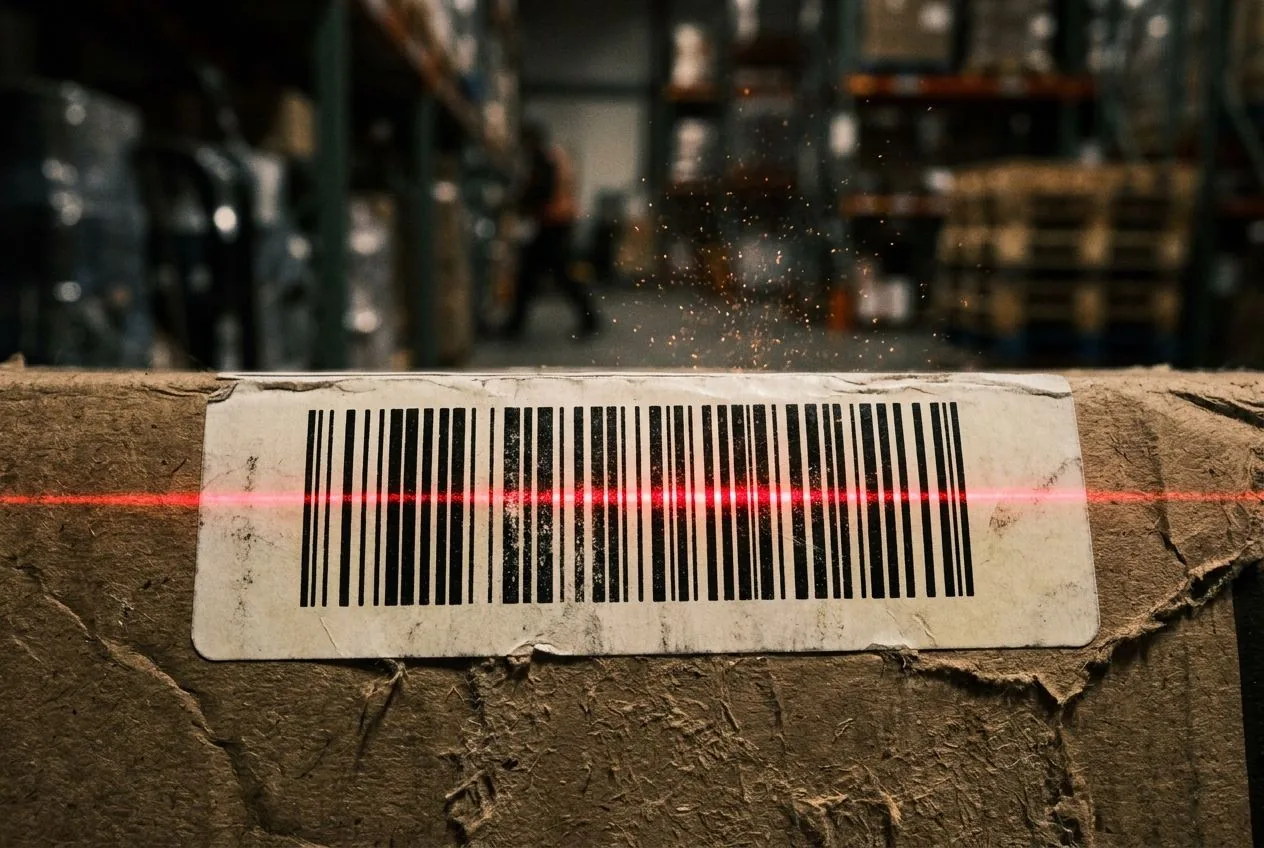
It was born in 1948 on a Miami beach, as concentric circles drawn in the sand by Joseph Woodland. It was scanned for the first time in 1974, on a pack of chewing gum in Ohio. Fifty years later, that same barcode is scanned more than ten billion times a day worldwide. No logistics technology has enjoyed such longevity — and yet it has been buried dozens of times.
The dinosaur declared dead every ten years
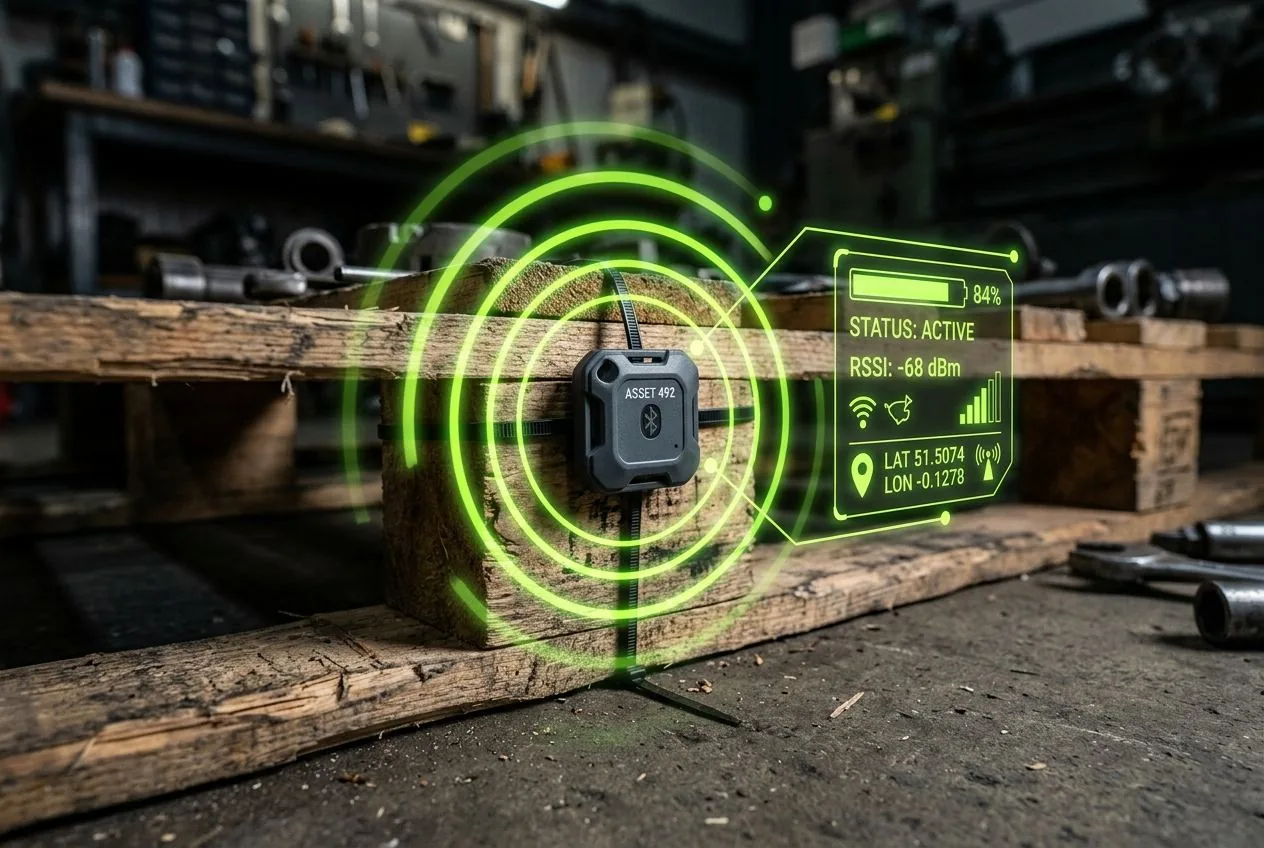
RFID was supposed to kill it in the 2000s: no line of sight required, inventory in seconds, no more aiming. QR codes were supposed to replace it: more data, more robustness. Then came computer vision, BLE tags, IoT and now AI. Every wave brought the same prophecy; every time, the same outcome: the barcode is still there, on the box, on the pallet, on the prescription, on the boarding pass.
Its strength is not technical, it is economic
A barcode costs the price of ink. It prints on a thermal label for a fraction of a cent, is read by an entry-level smartphone, needs no battery, no pairing, no firmware update. It works in a warehouse with no network, at −20 °C in a cold room, on a wet cardboard box, in the hands of a temp worker trained in three minutes.
An RFID tag costs a hundred times more, requires gates, and misbehaves near metal and liquids. It is technically superior — and yet, on most flows, its total cost outweighs the benefit. The barcode wins because it is good enough, everywhere, all the time.
The real lesson: winning technology disappears
The barcode asks no one to change job. The picker scans, the truck leaves. No learning curve, no six-month project, no change management. That is the exact opposite of most failed digital projects: too many features, too many screens, too much data entry, for a gain the operator never sees.
Any technology that adds a step on the ground will be bypassed. Any technology that removes a step will be adopted with no training at all.
What we do with it at OMNIYAT
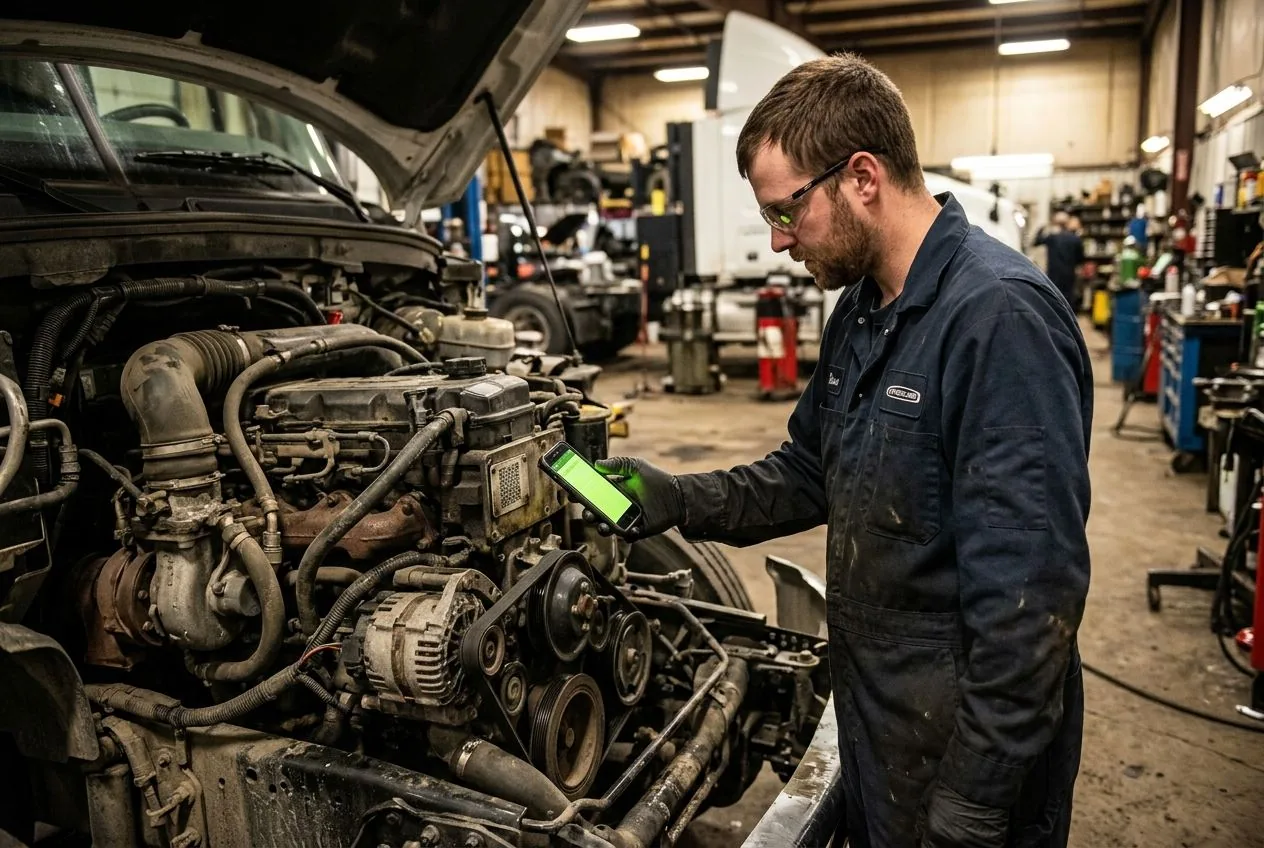
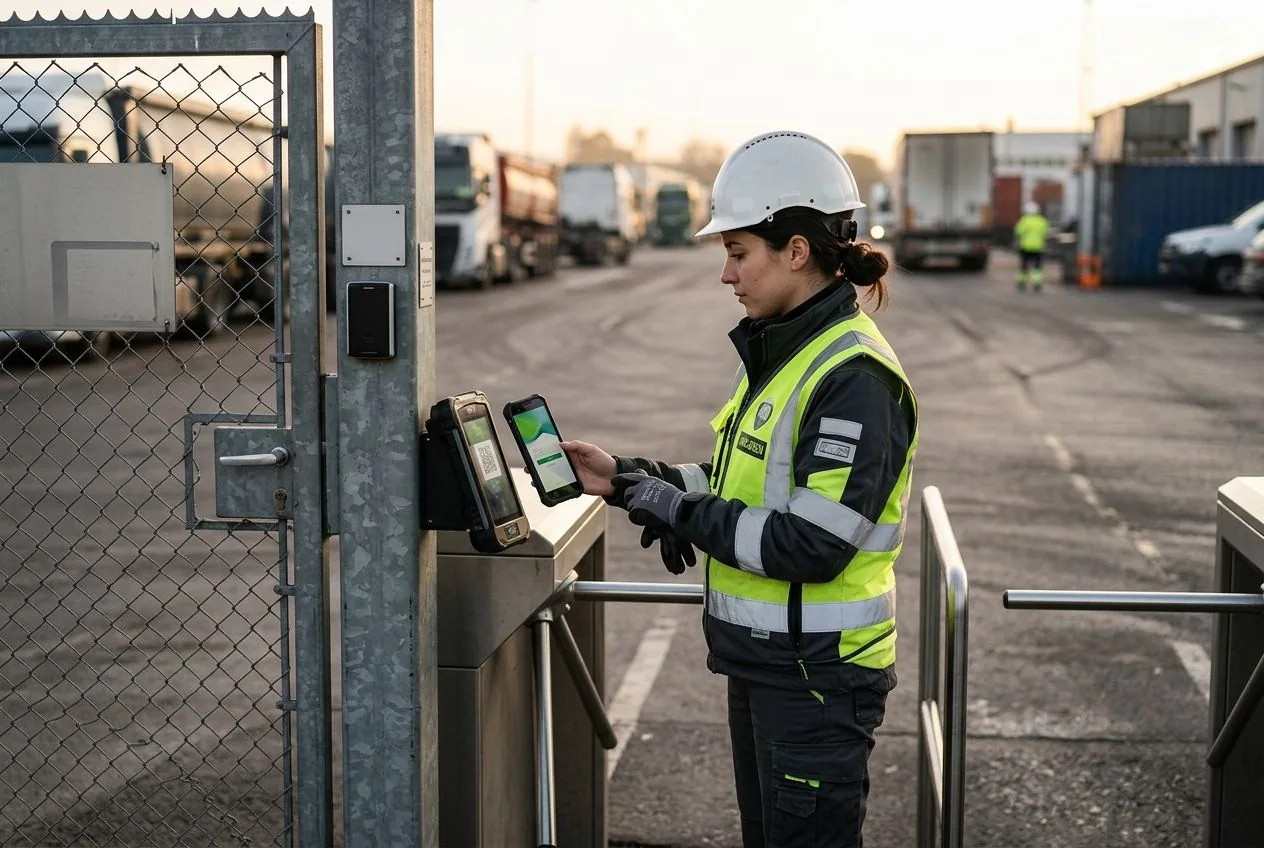
Our platforms embrace that heritage: in TRICOLIS the driver scans a barcode and the proof of delivery builds itself — timestamp, GPS position, photo, signature. In FleetEye a label stuck on a vehicle or a machine opens the right maintenance record in one scan. In Logitag the barcode coexists with BLE tags: each on the flow where it pays off most.
The barcode is not the enemy of IoT or AI. It is their front door: it produces clean data, in the right place, at the right time. Only then can artificial intelligence predict, alert and arbitrate.
The takeaway
Before buying the most advanced technology, ask three questions: how many steps does it add for the operator, what happens when the network goes down, and how much does it cost per tracked unit? The answer often lets the dinosaur win.
Successful digital transformation is not the most sophisticated one: it is the one that is easiest to use on a rainy Tuesday morning on a loading dock. Want to know which mix — barcode, QR, BLE, RFID or AI — actually fits your flows? Request a demo: we start from your operations, not from our catalogue.